堅
持
完
美
每一口水都完美 堅持 10 ppm 的理由
10 ppm的水最接近天然原度,比擬未受污染的高山雪水和泉水,擁有生命之水該有的自然療癒力,成為人們夢寐以求的美麗純淨。
古希臘數學家歐幾里德《幾何原本》、德國數學家歐姆《基本純數學》等著作, 讓人們知曉線條和圖形最完美的分割比例,在宇宙和自然界都找得到它的蹤跡。世界在無形中充滿理性的秩序,水也有它最完美的法則 ─10 ppm。
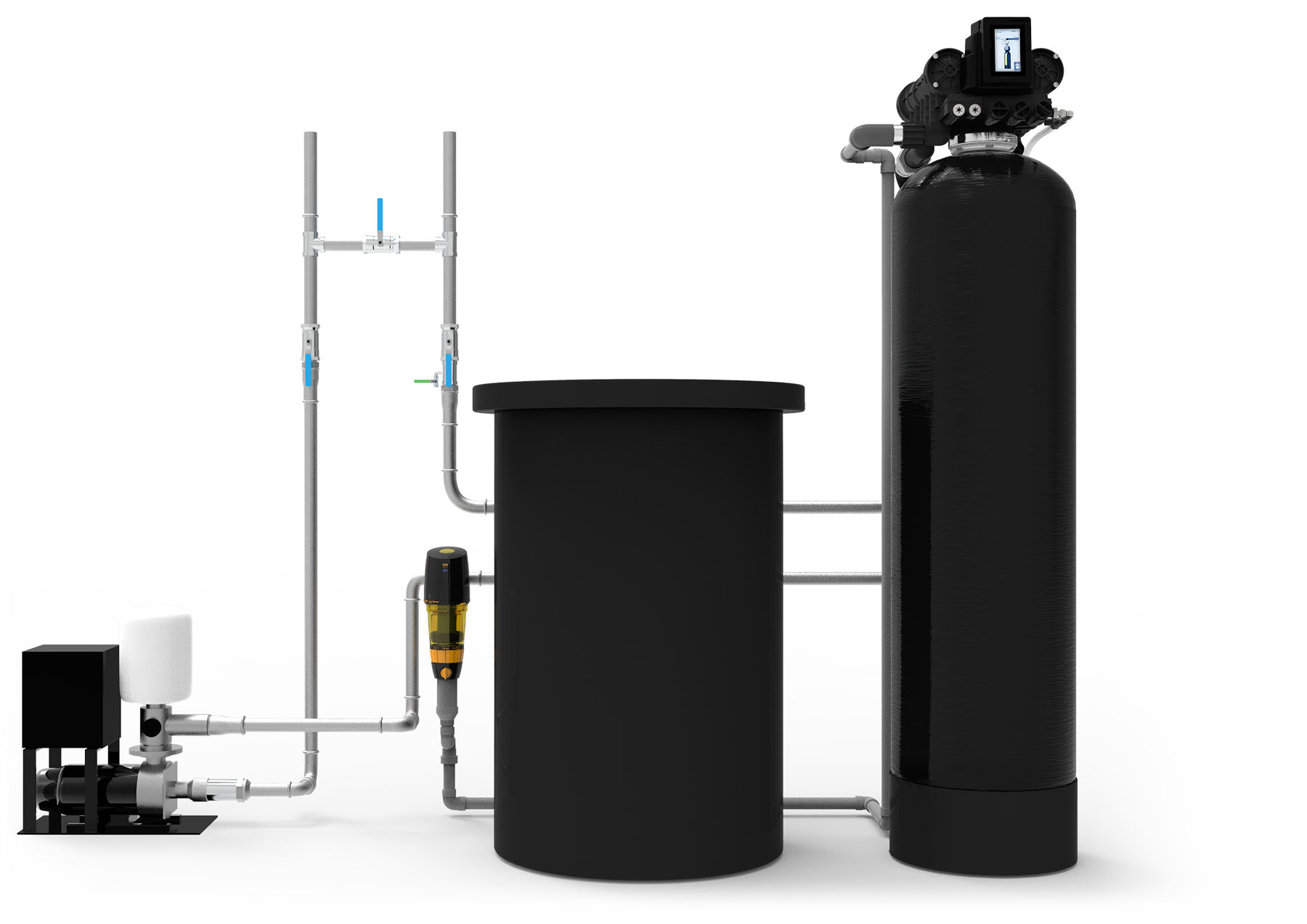
What is Hard Water?
Hard water is a common quality of water which contains dissolved compounds of Calcium and Magnesium and, sometimes, other divalent and trivalent metallic elements.
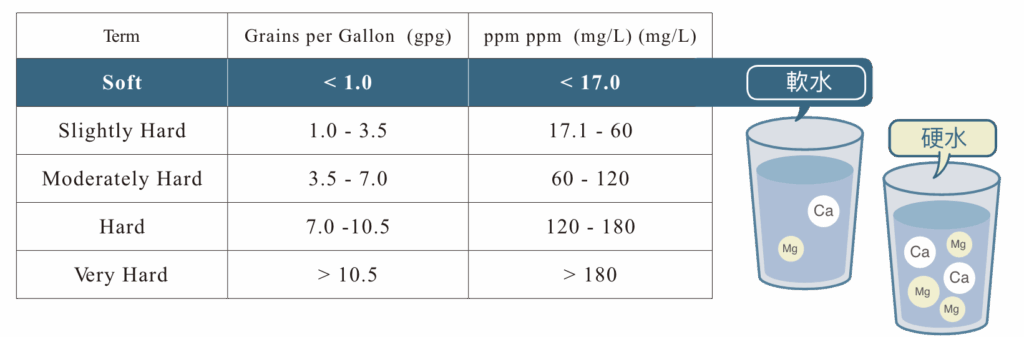
The term hardness was originally applied to waters that were hard to wash in, referring to the soap wasting properties of hard water. Hardness prevents soap from lathering by causing the development of an insoluble curdy precipitate in the water; hardness typically causes the buildup of hardness scale (such as seen in cooking pans). Dissolved calcium and magnesium salts are primarily responsible for most scaling in pipes and water heaters and cause numerous problems in laundry, kitchen, and bath. Hardness is usually expressed in grains per gallon (or ppm) as calcium carbonate equivalent.
The degree of hardness standard as established by the American Society of Agricultural Engineers (S-339) and the Water Quality Association (WQA) is as follows: